Paver Patio vs Concrete Slab Cost Arizona
By the Decking & Home Cost Guides Editorial Team — reviewed for accuracy. Last updated November 2026. This article is for informational purposes and reflects typical market pricing; verify current details with licensed contractors before starting any project.
Arizona pavers run $10-$20 and concrete slabs $6-$12 per square foot installed — a patio comparison where the crack structure prices the honest desert path.
This comparison prices both patios honestly: the pavers at the modular, the concrete at the monolithic, and the analysis at the heat and soil scope.
Paver Patio vs Concrete Slab Cost Arizona — At a Glance for US
Paver vs concrete patios in Arizona run $6.0–$20 per square foot — the material and the crack carry the comparison. This is a realistic planning number for the United States in 2026, not a marketing low-ball.
| Line Item | Typical Range (USD) | What Drives It |
|---|---|---|
| Concrete slab per square foot | $6.0–$12 | The poured at the monolithic |
| Paver patio per square foot | $10–$20 | The modular at the crack-free |
| Stamped concrete comparison | $12–$18 | The decorative at the mid honest |
| 400-square patio total | $2,400–$8,000 | The typical at the honest scope |
| Soil movement consideration | $0.0–$0.0 | The Arizona clay at the honest |
Understanding Paver Patio vs Concrete Slab Cost Arizona
The concrete slabs run $6-$12 per square foot — the poured at the monolithic structure. The stamped run $12-$18 at the decorative honest mid.
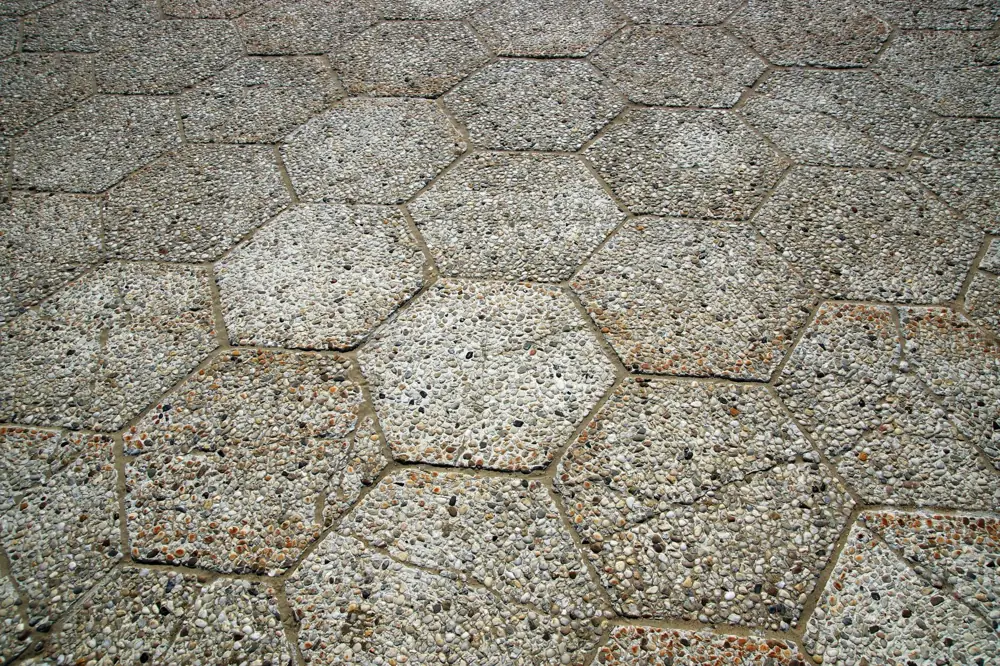
The pavers run $10-$20 — the modular at the crack-free structure honest. The 400-square patio at $2,400-$4,800 concrete against $4,000-$8,000 pavers. The analysis: the Arizona clay at the movement — the concrete at the crack risk; the pavers at the flexible honest. The heat: the pavers at the cooler surface — the light at the desert barefoot honest.
What Moves the Price Up or Down
The decision moves with the soil, the budget, the heat tolerance, and the crack risk.
| Factor | Cost Impact | Detail |
|---|---|---|
| Paver premium | +60-80% | The modular at the crack-free |
| Stamped tier | +40-50% | The decorative at the mid honest |
| Base preparation | +15-25% | The depth at the soil honest |
| Sealing structure | +10-15% | The concrete at the stain honest |
| Paver pattern | +10-20% | The herringbone at the labor |
Arizona Patio Comparison
Two materials serve the patio — the concrete, the pavers trading.
| Option | Description | Best For | Cost Level |
|---|---|---|---|
| Concrete slab | The poured at the budget | The budget patios | $6-$12/sq ft |
| Paver patio | The modular at the crack-free | The clay-soil homes | $10-$20/sq ft |
| Stamped concrete | The decorative at the mid | The look budgets | $12-$18/sq ft |
The concrete serving the budget — the pavers serving the clay movement honestly.
Three Realistic Project Scenarios
The concrete budget path — $2,400–$5,200
A 400-square patio at the poured.
- Concrete 400 — $2,400–$4,800
Why this matters: The budget path serves the poured — the $3,600 at the monolithic with the honest Arizona scope.
The paver crack-free path — $4,000–$8,200
A 400-square patio at the modular.
- Pavers 400 — $4,000–$8,000
Why this matters: The crack-free path serves the clay — the $6,000 pavers at the movement honest with the flexible structure.
The stamped mid path — $4,800–$7,400
A 400-square patio at the decorative.
- Stamped 400 — $4,800–$7,200
Why this matters: The mid path serves the look — the $6,000 stamped at the decorative with the honest monolithic base.
The scenarios share the structure: the soil pricing the crack risk, the material at the budget, and the heat at the honest surface.
Sample Budget Breakdown
The table below shows how a typical mid-range budget for paver patio vs concrete slab cost arizona distributes across materials, labor and compliance in the United States. Adjust the percentages to your own scope before using it as a savings target.
| Category | Estimated Amount | Explanation | Optimization Tip |
|---|---|---|---|
| Patio total | $2,400–$8,200 | The material and the area decide | The soil movement assessed first |
| Base preparation | $400–$1,200 | The depth at the structure honest | The compaction at the path |
| Sealing line | $200–$600 | The concrete at the stain honest | The pavers at the joint scope |
| Contingency | $240–$820 | The base findings | The 10% held at the dig |
Every figure above is an indicative 2026 market range. Final quotes move with site conditions, contractor availability and the exact specification you lock in.
From Quote to Completion: the Typical Timeline
Most paver patio vs concrete slab cost arizona projects follow the same five-stage rhythm. Knowing the calendar before you sign prevents the two classic frustrations — feeling rushed into a deposit, and being surprised by a mid-project gap while materials arrive.
- Material delivery — 1-2 weeks
- Build — 1-2 weeks typical
- Final inspection — 1 day
- Design and permits — 2-4 weeks
- Material delivery — 1-2 weeks
Smart Ways to Control the Budget
Cost control on paver patio vs concrete slab cost arizona is mostly about scope discipline and timing. These are the strategies that consistently deliver the largest savings:
Match the railing to the view, not the brochure
The cable rails at $90-150 per post preserving the sightlines; the glass panels at $150-400 per panel serving the unobstructed view. The aluminum and composite rails pricing the budget path honestly.
Advantages:
- Directly reduces the controllable parts of the quote
- No impact on quality or compliance when scoped correctly
Disadvantages:
- The railing decision made at the site, not the catalog.
- Requires planning lead-time you may not have on urgent timelines
Price the permit line before the build
The deck permits at $150-500 running the structural review — the engineering at the second-story and multi-level scopes. The unpermitted build pricing the resale disclosure problem honestly.
Advantages:
- Directly reduces the controllable parts of the quote
- No impact on quality or compliance when scoped correctly
Disadvantages:
- The permit scope confirmed before the first post-hole.
- Requires planning lead-time you may not have on urgent timelines
Budget the maintenance from day one
The wood decks staining at $2-5 per square foot every 2-3 years; the composite cleaning at the annual wash. The maintenance stream priced into the material decision honestly — the $25,000 composite build amortizing against the $12,000 wood plus 20 years of staining.
Advantages:
- Directly reduces the controllable parts of the quote
- No impact on quality or compliance when scoped correctly
Disadvantages:
- Requires the lifetime math at the quoting stage.
- Requires planning lead-time you may not have on urgent timelines
Price the materials by the lifespan, not the sticker
The composite at $9-16 per square foot against the pressure-treated at $4-8 — the 25-30 year composite lifespan against the 10-15 year wood. The total cost of ownership pricing the honest comparison over the decades, not the build day.
Advantages:
- Directly reduces the controllable parts of the quote
- No impact on quality or compliance when scoped correctly
Disadvantages:
- Requires the decades framing at the showroom.
- Requires planning lead-time you may not have on urgent timelines
Permits, Rules and Safety
The patios at the permit scope often — the sizes at the threshold honest. The drainage at the code line at the jurisdictions.
- (‘Outdoor kitchen scope’, ‘$100-400’, ‘The gas and the electrical at the outdoor structures — the plumbing sub at the wet bar scope.’, ‘The utility extensions at the permit line.’)
- (‘Retaining wall permit’, ‘$100-500’, ‘The 4-foot threshold at the municipal review — the engineering at the taller walls.’, ‘The drainage scope reviewed at the wall permit.’)
- (‘Railing code compliance’, ‘Included in deck permit’, ‘The height and the baluster spacing at the current code — the grandfathered rails at the resale risk.’, ‘The inspection closing the structure.’)
Maintenance and Long-Term Ownership Costs
The project price is only the first line of the budget. These recurring items are what owners in the United States actually spend money on after the crews leave:
| Task | Frequency | Typical Cost | Why It Matters |
|---|---|---|---|
| Wood deck staining | Every 2-3 years | $2-5/sq ft | The protection renewed at the wood cycle — the neglect pricing the early replacement. |
| Hardware and fastener check | Yearly | $0-150 | The joist hangers and the lag screws at the structural cycle — the movement caught at the walk. |
| Annual inspection walk | Yearly | $0-400 | The structure, the fasteners, and the rails walked at the season — the issues caught at the early stage. |
| Deck cleaning | Yearly | $100-350 | The surface grime and the mildew at the wash — the material warranty at the maintained surface. |
The pavers at the polymeric cycle — the concrete at the sealed honest and the cracks at the Arizona watch.
Frequently Asked Questions
How much does a paver patio cost vs concrete in Arizona?
The patios run $6-$20 per square foot — the concrete at the budget and the pavers at the crack-free honest. The 400-square at $2,400-$8,000.
Do pavers crack in Arizona?
The modular at the movement structure — the joints at the flex honest. The concrete at the monolithic crack risk at the clay.
Which patio is cooler in the desert?
The pavers at the lighter surface — the reflection at the barefoot honest. The light colors at the mitigation path.
How long do paver patios last?
The 30-50 years at the structure honest — the concrete at the 20-30 with the crack cycle. The base at the honest lifespan path.
Is stamped concrete worth it?
The $12-$18 at the look honest — the pavers at the premium comparison. The budget at the decorative mid path.
Summary
Planning paver patio vs concrete slab cost arizona in the United States starts with an honest range — $6.0–$20 for the scenarios most households actually install — then works backwards through the soil that prices the crack, the material at the budget, and the heat at the surface.
The pavers at the clay movement — the concrete at the budget honestly. Collect at least three itemised quotes, confirm the permit path before signing, and hold a 10–15% contingency for site surprises. Those three habits protect more budget than any product choice.